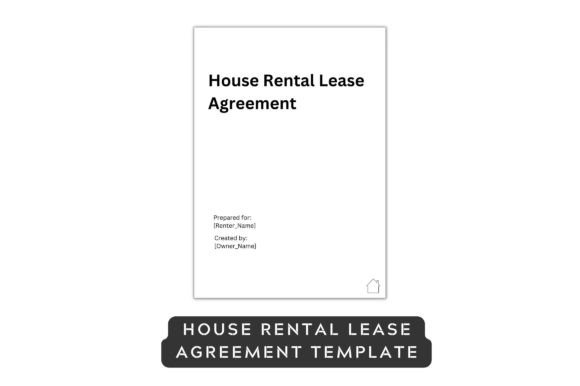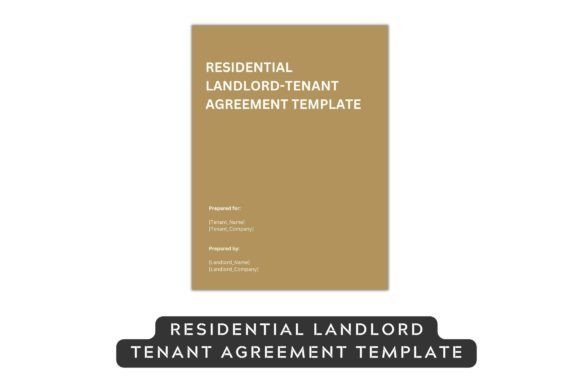
Residential Landlord Tenant Contract PDF: A Practical Guide for Property Owners
For anyone involved in the rental market, whether you're a real estate agent, a private homeowner, or a small business owner managing properties, having a clear and legally sound residential landlord tenant contract is essential. This document serves as the foundation of the relationship between landlords and tenants, outlining the terms and conditions of the lease. The Residential Landlord Tenant Contract PDF offers a professional and customizable solution that can be tailored to meet specific needs.
This type of agreement is especially useful for those who want to ensure clarity and avoid misunderstandings. It covers important details like rent amounts, payment schedules, security deposits, maintenance responsibilities, and rules about property use. By using a well-structured template, property owners can save time and reduce the risk of legal issues down the line.
Real-World Applications of the Residential Landlord Tenant Contract PDF
The Residential Landlord Tenant Contract PDF is ideal for a variety of situations. For instance, a real estate agent might use it when leasing out a property to a new tenant. The template ensures that all necessary clauses are included, making it easier to maintain compliance with local laws. Similarly, a private homeowner looking to rent out their home can benefit from the document’s flexibility and ease of use.
Small businesses that manage multiple rental units can also find value in this tool. Instead of creating contracts from scratch, they can download and customize a Residential Landlord Tenant Contract PDF to fit their specific requirements. This not only streamlines the process but also helps maintain consistency across all leases.
Who Can Benefit from the Residential Landlord Tenant Contract PDF?
The Residential Landlord Tenant Contract PDF is designed for a wide range of users. Real estate professionals, such as agents and property managers, can use it to create standardized agreements that align with industry practices. Private homeowners who rent out their properties can also take advantage of the template to ensure their contracts are clear and legally sound.
Additionally, entrepreneurs and small business owners who operate in the real estate sector may find the Residential Landlord Tenant Contract PDF helpful. Whether they’re starting a new rental business or expanding their existing portfolio, having a reliable contract template can make a significant difference in how they manage their properties.
Key Features of the Residential Landlord Tenant Contract PDF Template
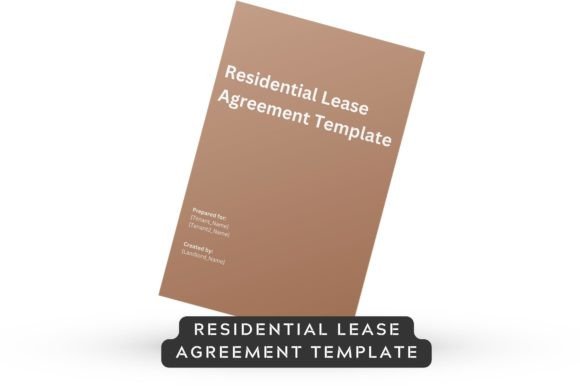
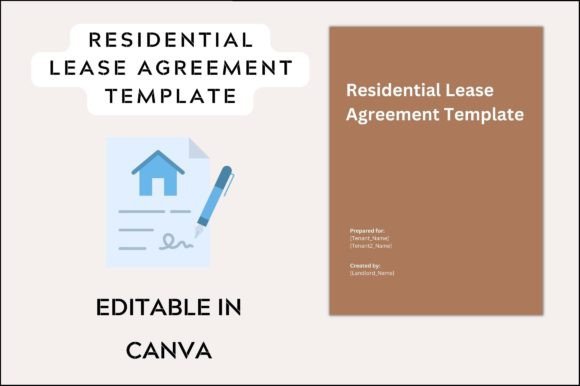
The Residential Landlord Tenant Contract PDF Template is built with user convenience in mind. It includes editable elements such as images, colors, fonts, and background options, allowing users to personalize the document to match their brand or style. This level of customization makes the template suitable for both personal and professional use.
Users can easily resize the document to fit different needs, whether they’re printing it on standard A4 paper or adjusting it for digital use. The template is available in multiple formats, including PNG, SVG, JPG, and PDF, ensuring compatibility with various platforms and devices. This flexibility is particularly useful for those who need to share the contract digitally or print it for physical copies.
How to Use the Residential Landlord Tenant Contract PDF
Using the Residential Landlord Tenant Contract PDF is straightforward. Once downloaded, users can open the file in a preferred editing tool or platform. The drag-and-drop functionality makes it easy to adjust elements without requiring advanced design skills. This feature is especially beneficial for individuals who may not have extensive experience with graphic design software.
Before finalizing the contract, it’s important to review all sections carefully. Ensuring that the terms are clear and legally compliant helps prevent disputes later on. For example, a landlord should clearly state the amount of the security deposit, the due date for rent, and the procedures for reporting maintenance issues.
Common Considerations When Using the Residential Landlord Tenant Contract PDF
While the Residential Landlord Tenant Contract PDF provides a solid framework, there are several factors to consider before using it. First, it’s crucial to understand local landlord-tenant laws, as these can vary by region. Some areas may require specific clauses or additional documentation that the template does not include by default.
Another consideration is the need for regular updates. As laws change or business practices evolve, the contract should be reviewed and adjusted accordingly. For instance, if a new regulation affects security deposit limits, the template should be updated to reflect this change.
Finally, communication with the tenant is key. Even with a well-drafted contract, it’s important to discuss the terms with the tenant to ensure mutual understanding. This helps build trust and reduces the likelihood of future conflicts.
Why Choose the Residential Landlord Tenant Contract PDF?
The Residential Landlord Tenant Contract PDF stands out for its practicality and ease of use. Unlike generic templates, this document is specifically designed for residential leases, ensuring that all relevant aspects are covered. Its editable nature allows users to adapt it to their unique situations, making it a versatile tool for property management.
Moreover, the template’s professional appearance enhances the credibility of the landlord or property manager. A well-designed contract can make a strong impression on tenants, reinforcing the idea that the landlord is organized and reliable. This is particularly important for small businesses looking to establish a professional image.
By choosing the Residential Landlord Tenant Contract PDF, users gain access to a resource that saves time, reduces legal risks, and supports efficient property management. Whether used for a single rental unit or a larger portfolio, the template provides a solid foundation for successful landlord-tenant relationships.